

The Dorn Method
The Dorn Method is a holistic manual therapy focused on the safe correction of misalignments in the spine and joints. Its fundamental distinction from classical chiropractic is the complete rejection of forceful manipulations and thrust techniques in favour of the body's natural biomechanics.
History of Origin
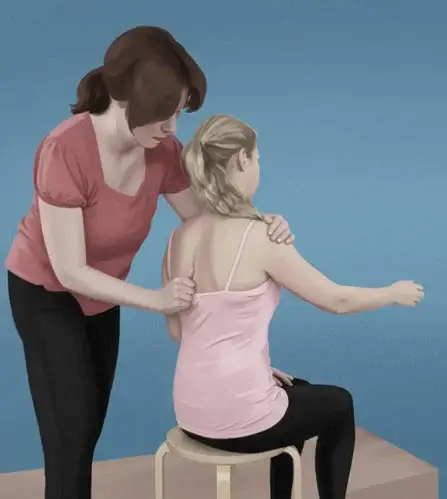 The story behind the method is remarkable in itself. In the 1970s, a Bavarian sawmill owner named Dieter Dorn suffered a serious back injury. A local folk healer relieved his pain using a seemingly simple approach — thumb pressure combined with a rhythmic leg movement performed by the patient himself. After the healer's death, Dorn began developing this approach independently: he first helped his wife, who had suffered from migraines for years, then his neighbours and acquaintances. The method gradually gained recognition in German-speaking countries and later spread around the world. What I find especially valuable in this story is that it is rooted in direct practical experience rather than academic research within the walls of a clinic.
Core Principles
The method is built on several ideas that I believe any manual therapist would appreciate.
- Dynamic correction ("Fix-in-motion"). Correction takes place in movement — the patient actively swings their leg or arm while the therapist gently works on the vertebra. This distracts the muscle corset and allows the joint to return to its correct position without resistance — an elegant solution well familiar to me from the Mulligan Concept.
- The body's foundation — leg length. The starting point is always the equalisation of leg length: a functional pelvic imbalance is regarded as the root cause of most spinal problems.
- Safety and the absence of manipulation. The patient's pain threshold is an absolute boundary: no high-velocity thrusts, no pressure through pain.
- Patient's own responsibility. At the end of each session, the patient receives specific exercises for daily practice. This aspect is particularly close to my own philosophy: the therapist creates the conditions, but the person themselves consolidates the result.
- Holistic approach. The method takes into account the connection of each vertebra to specific internal organs via nerve pathways, as well as the psychosomatic aspects of health.
Indications for Use
The practical scope of the method is quite broad. It is effective for lower back, neck and back pain, sciatica and lumbago, postural disorders (scoliosis, kyphosis), functional leg length discrepancy, and joint pain — hip, knee, ankle and shoulder. Worth highlighting separately are the results seen with migraines, tinnitus, numbness of the extremities, and even digestive disorders related to nerve entrapments — this is precisely where the holistic vision of the method manifests most clearly.
Osteopathic Mentor - mentorship and courses
Main Techniques and Stages
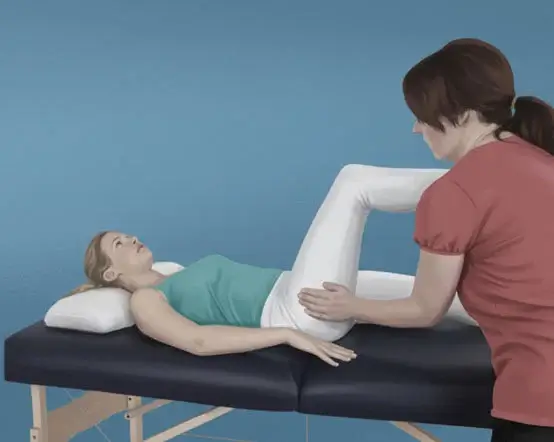 A session is structured on the principle of "bottom to top" — from the feet to the head, which in itself reflects the logic of the method. First, leg length is assessed and corrected through work with the hip, knee and ankle joints. Next comes correction of the pelvis and sacrum: the patient stands and swings their leg while the therapist gently works on the sacroiliac joint. This is followed by the spine: palpation, locating misaligned vertebrae, and gentle thumb pressure accompanied by the patient's own movement. The session concludes with instruction in self-help exercises — that "homework" without which, in my view, any manual work remains incomplete.
Contraindications
As with any serious method, there are clear restrictions: acute fractures and fresh injuries, pronounced osteoporosis, acute inflammatory processes, oncological lesions of the spine, hernias with neurological deficit, and pregnancy — in the latter case, special caution is required when working with the lumbar region.
The Dorn Method has been a genuinely interesting discovery for me. I have been actively using mobilisation with movement since the very beginning of my practice, for many years now. Its benefits and effectiveness are confirmed both in practice and through satisfied patients. It was therefore all the more interesting to learn about another well-developed system that emerged in Germany.
What I also appreciate, and what connects the Dorn Method with the approach of New Zealander Mulligan, is the well-developed system of self-directed exercises. This feature fits entirely within my own philosophy of manual therapy. However, there are also significant, fundamental differences between these approaches, which makes studying them in the context of truly holistic medicine all the more compelling.
☛ Mulligan technique of manual therapy.
☛ Joint mobilization techniques and joint play.
New on Instagram:

Treatment techniques

Online consultancy

Quick test
About me